Fahrenheit 401: Digital Deletion Is Incompatible with Democracy

book burning
(C) pcorreia on flickr

Quite understandably, book burning has a bad reputation. It is a scout badge for history’s nastiest antagonists – Nazis, Stalinists and the Taleban have indulged in it – and biblioclasm also provides the central motif for Ray Bradbury’s dystopian masterpiece Fahrenheit 451 (the temperature at which book paper burns), in which perversely named ‘firemen’ are tasked with obliterating burning outlawed books and occasionally the bookish. Continue reading “Fahrenheit 401: Digital Deletion Is Incompatible with Democracy”

The Challenge of Big Data: A Day at the British Library

Image
(C) failing_angel on flickr

On Friday I attended the British Sociological Association’s Presidential Event at the British Library, titled ‘The Challenge of Big Data’. The venue couldn’t have been more symbolically appropriate: the British Library collection holds more than 150 million books, newspapers, maps and manuscripts, which would seem to constitute big data by almost any yardstick. Moreover, the Library is in the process of digitising parts of this collection, rendering it useful to innovative research. Continue reading “The Challenge of Big Data: A Day at the British Library”

For misogyny on Twitter, silence is easy – and not very helpful

The continued existence of misogyny in the twenty first century is morally repugnant, and the debate over abuse on Twitter reminds us that misogyny can take many guises and subsist in many different contexts. Yet today’s ‘#TwitterSilence’ – a day-long boycott of Twitter led by prominent female newspaper columnists – is undercut by a misunderstanding of the technological and social environment within which this abuse takes place. Continue reading “For misogyny on Twitter, silence is easy – and not very helpful”

How Buzzfeed Could Save Politics

Image

The political journalist Ben Smith surprised many when he joined Buzzfeed as its editor-in-chief in 2011. Buzzfeed has become almost synonymous with the sort of entertaining online ephemera that has spawned such neologisms as ‘lolcats’ and ‘listicles’, costing offices around the world countless hours in lost productivity. Continue reading “How Buzzfeed Could Save Politics”

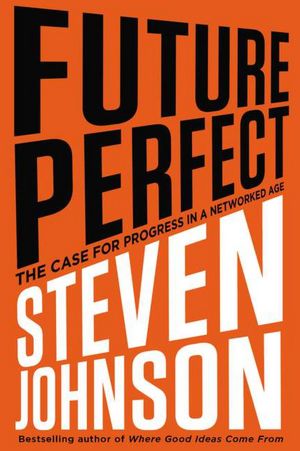
Future Perfect by Stephen Johnson – book review

futureperfect_stevenjohnson

Published in the Cherwell.

Naming a book Future Perfect is audacious to put it mildly but, with his compelling explanation of how collaboration can drive progress Steven Johnson just about gets away with it. Only through dispersed and diverse networks of action, Johnson argues, can we confront the more intractable challenges of the twenty-first century, such as broken government, the fading publishing industry and income inequality.

Continue reading “Future Perfect by Stephen Johnson – book review”